

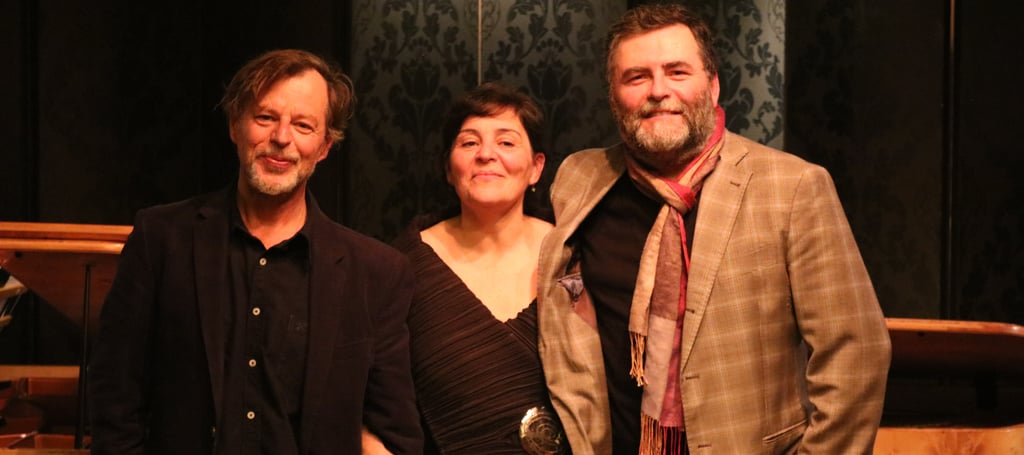
I'm not sure Monteverdi could have imagined his music being played on an Indian harmonium, Armenian duduk and electric guitar, but somehow it all worked perfectly. It felt as though the musicians - and the audience-were tapping into something both ancient and eternal, demonstrating that the ability of this music to invoke both contemplation and elevation is as powerful now as it was four centuries ago.
Professor John Griffiths AM OOIC FAHA
Vice President, International Musicological Society


Jessica Nicholas, The Age

★★★★★
I need to congratulate you on a wonderful piece of work. It is really spectacular. As I listened repeatedly to each song, to both the text and the arrangements, I was continually impressed by the integrity of your work and the way that all the decisions fit well with the originals. And as I got further into it, I could see closer stylistic connections to all kinds of music of the last fifty years or more.
The concert was superb, and just the kind of art music I want at Beleura while I am curating. The whole evening and the music was deeply moving. So beautifully creative, artistic and musical.
Dr. Tony Gould AM, pianist, composer


★★★★★
★★★★★
“A Jubilation of Sounds” (transl. from the Latin “Tripudiis Sonis Variis”) was the antidote suggested against the Black Death in a famous medical treatise of the 16th century. A Jubilation of Sounds is also what audiences expected from musical performances during the Baroque era.
Baroque musicians skilfully employed improvisation to ornament, enrich, and personalise the compositions of their era. They added unique embellishments, transforming the already exquisite musical landscapes crafted by composers into even more intricate and captivating auditory experiences. These improvisational flourishes showcased the musicians' virtuosity and enlivened the compositions, creating a dynamic interplay between written score and spontaneous creativity.
Despite originating in different historical and cultural contexts, Jazz and Baroque music share several intriguing connections that have fascinated musicians and scholars alike. Both genres emerged with unique stylistic features, yet they share common threads of improvisation, harmonic exploration, rhythmic vitality, and artistic innovation. The intersections between these genres provide fertile ground for musical exploration and creative reinterpretation, exemplifying the dynamic evolution of music across different traditions and eras.
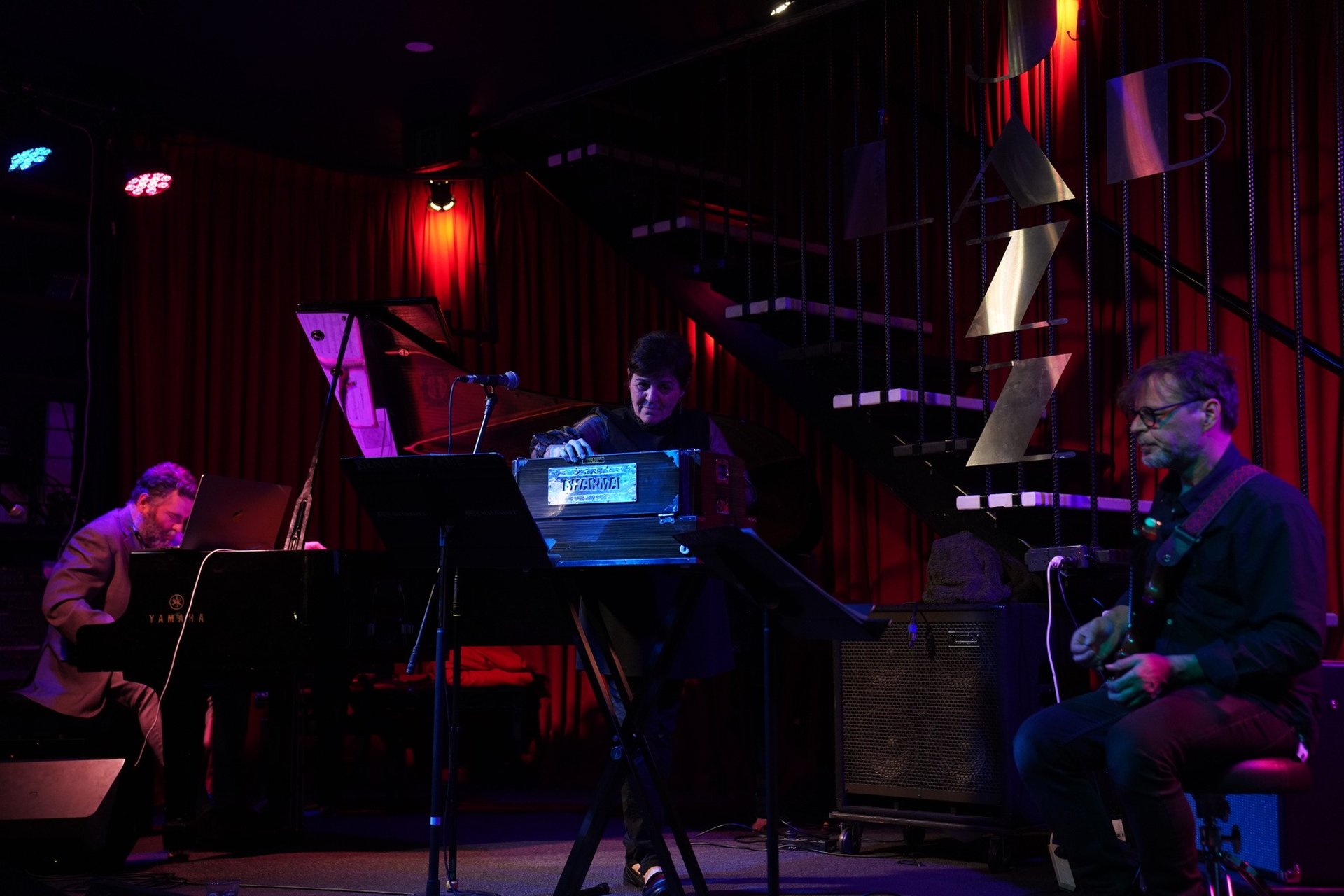
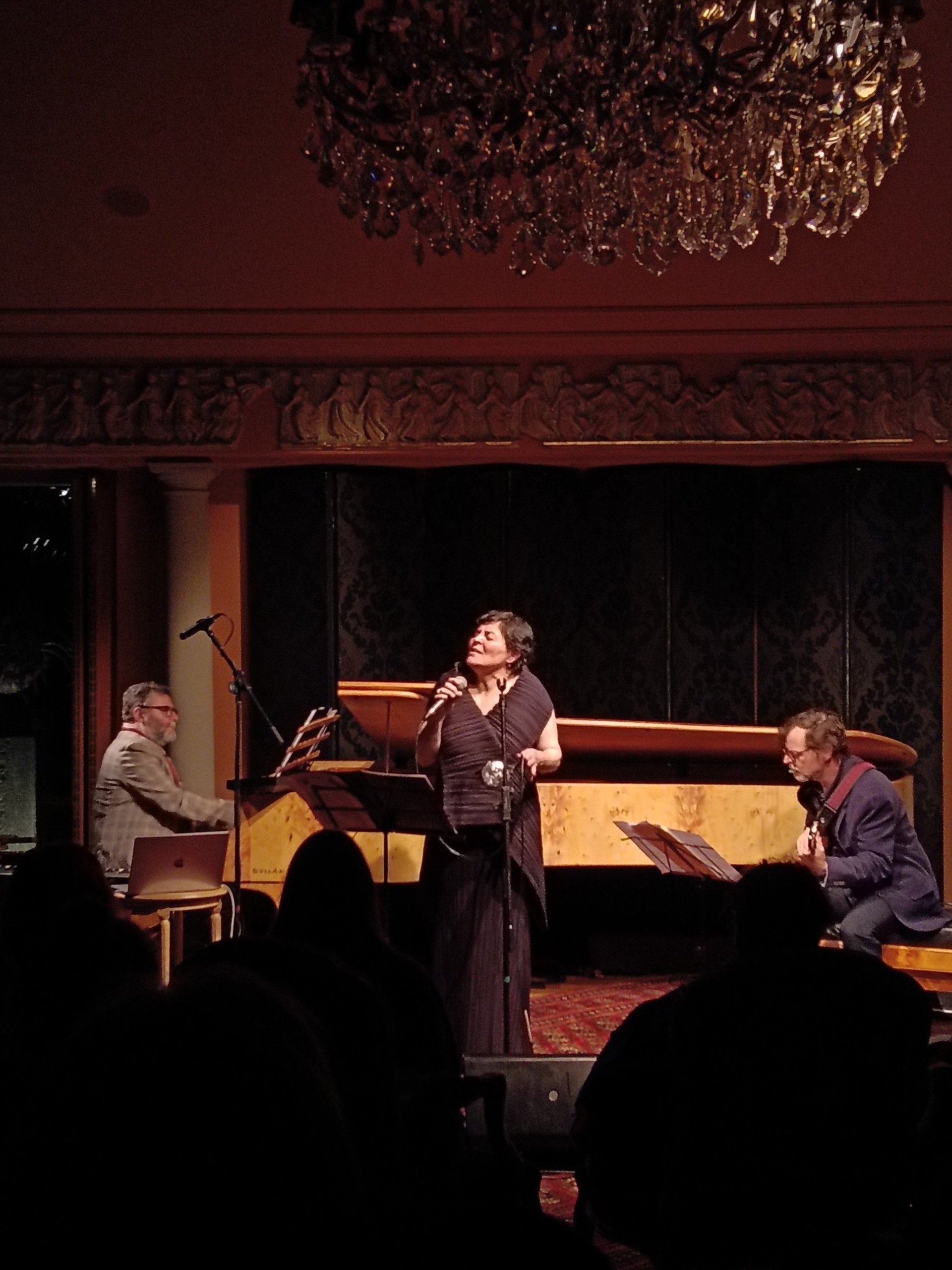
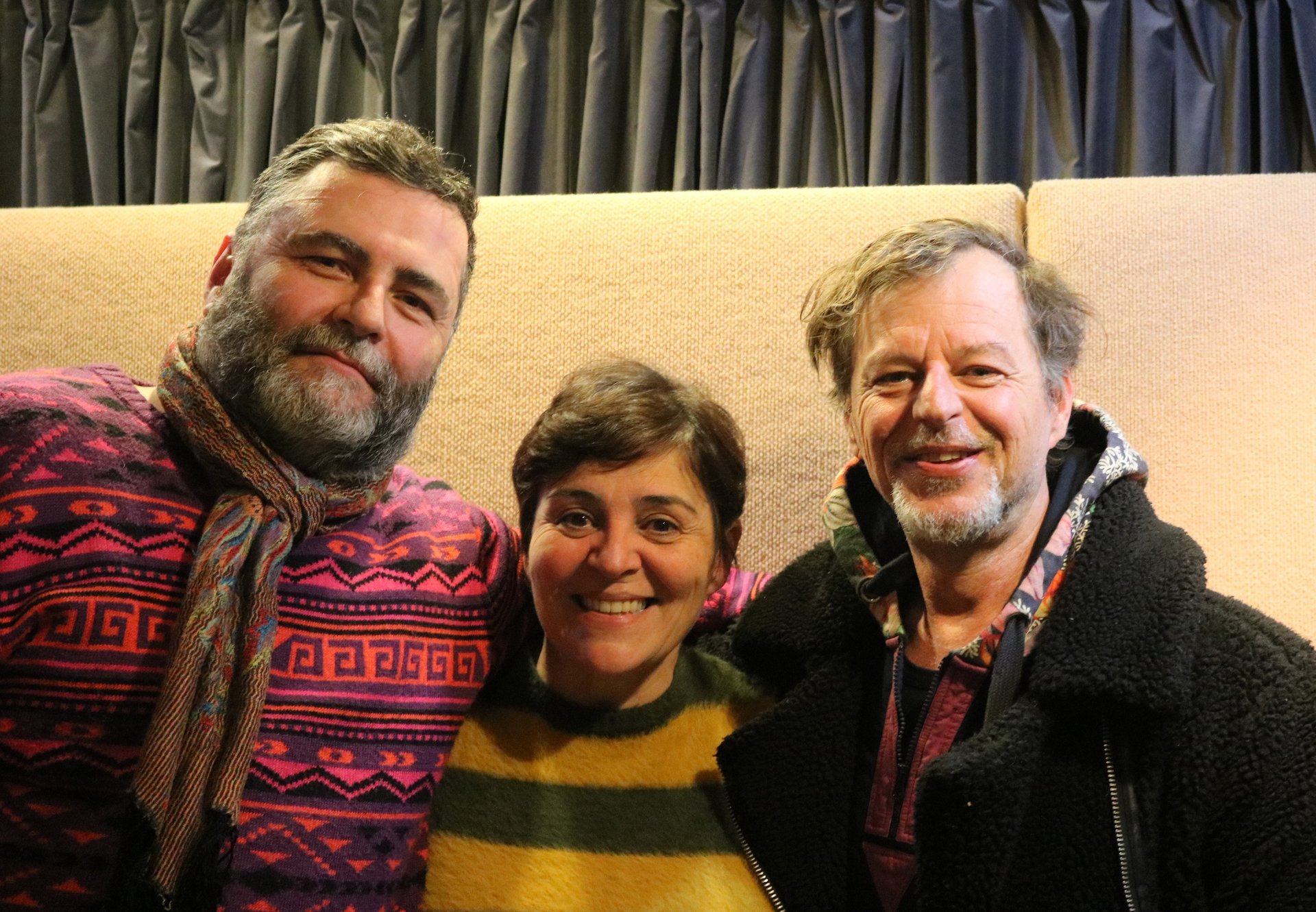
In that same spirit of joyous, diverse musical celebration, we invite you to experience music that bridges the past and the present. Through a refined use of acoustic instruments and sound art, Mirko Guerrini, Steve Magnusson, and Ilaria Crociani offer an intriguing rendering of famous arias by Monteverdi, Scarlatti, Carissimi, and Strozzi, reimagined with the spontaneity and creativity of improvisation.
Tripudiis Sonis Variis
Album Preview


Album Tracklist
Stella Caeli Extirpavit Anon, first half 14th Century
O Cessate di piagarmi Alessandro Scarlatti, 1683
Lamento Della Ninfa Claudio Monteverdi, from Madrigali guerrieri et amorosi (Libro VIII), 1638
Disserratevi Abissi Antonio Cesti, from “L'Argia”, 1655
Che Si Può Fare Barbara Strozzi, (Op.8 / Arie),1664
Music For a While Henry Purcell, incidental music to Oedipus (Z.583),1692
No No, Non Si Speri Giacomo Carissimi, undated (around 1650)
Caldi Sospiri Ch'uscite dal core Raffaello Rontani, before 1622
Ay Ondas Que Eu Vin Veer Martin Codax, Pergamiño Vindel (mid-13th century)
Have You Seen But A Bright Lily Grow Robert Johnson, Ben Jonson (from The Devil is an Ass), 1616
Tripudiis Sonis Variis Performing Live
Or someone else will hire you to build theirs. Here is how you can take action – starting today.
Stella Caeli Extirpavit (Anon. XIV Century)
JazzLab - May '25
Disserratevi Abissi (Antonio Cesti, 1665)
Beleura House - August '25
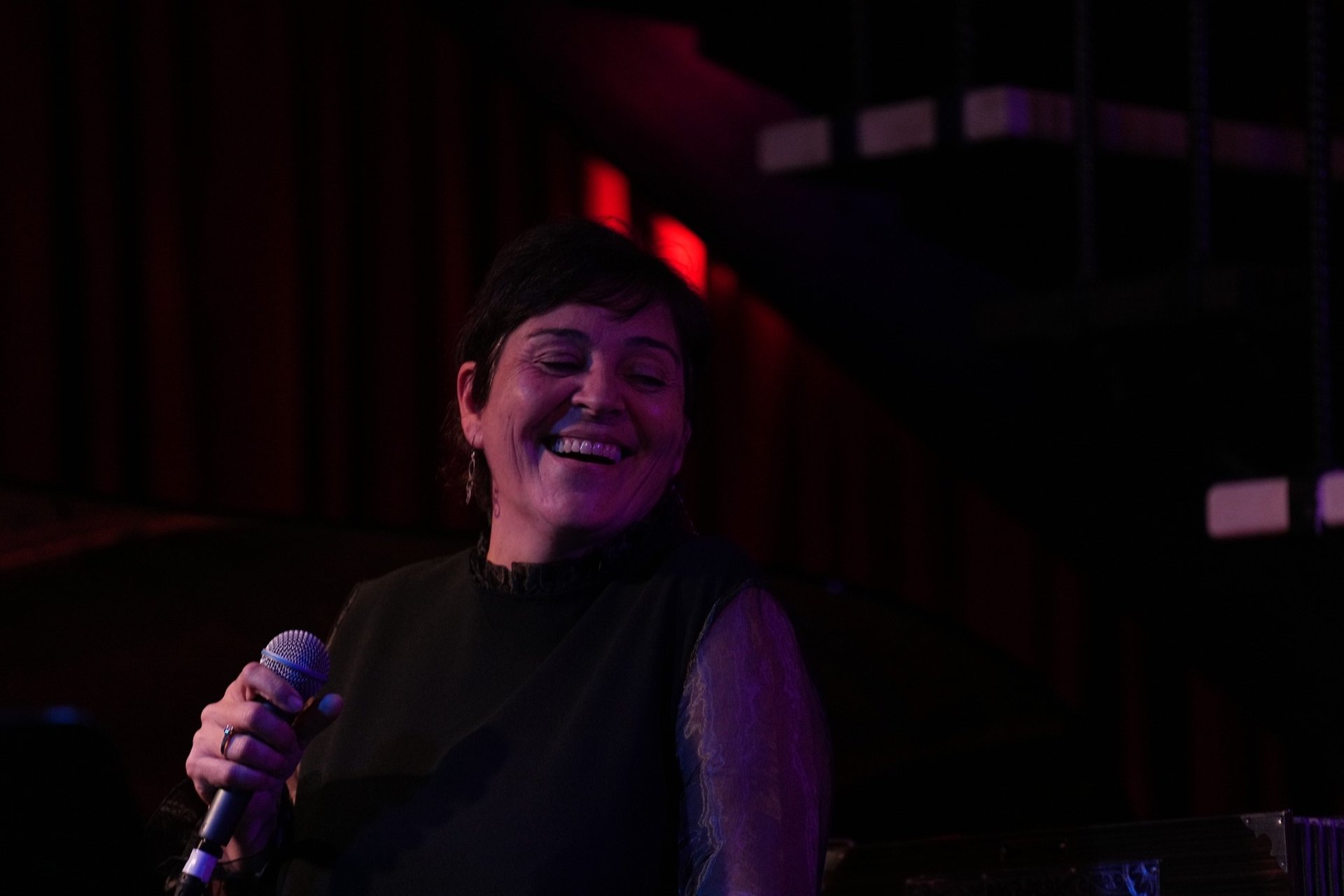
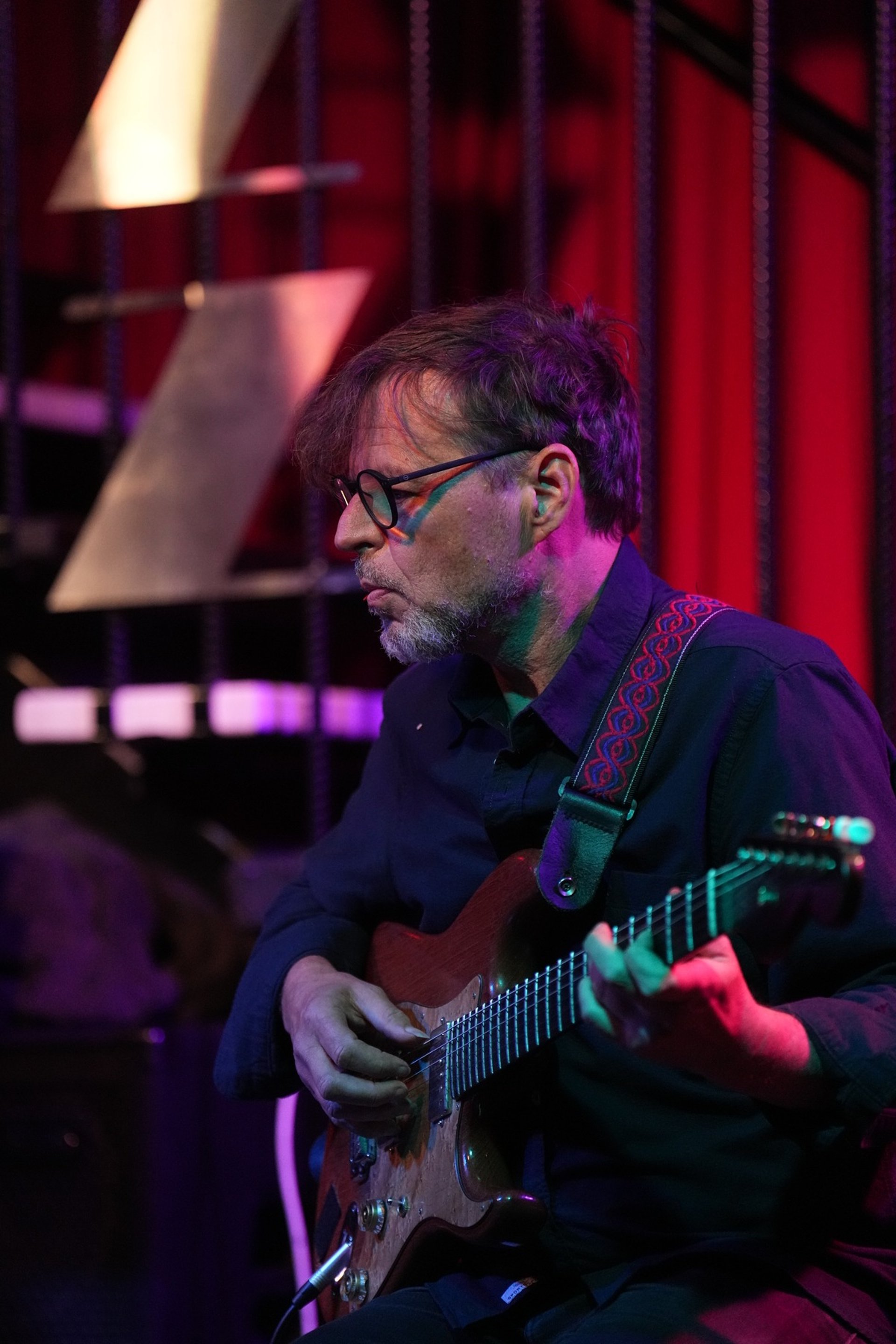
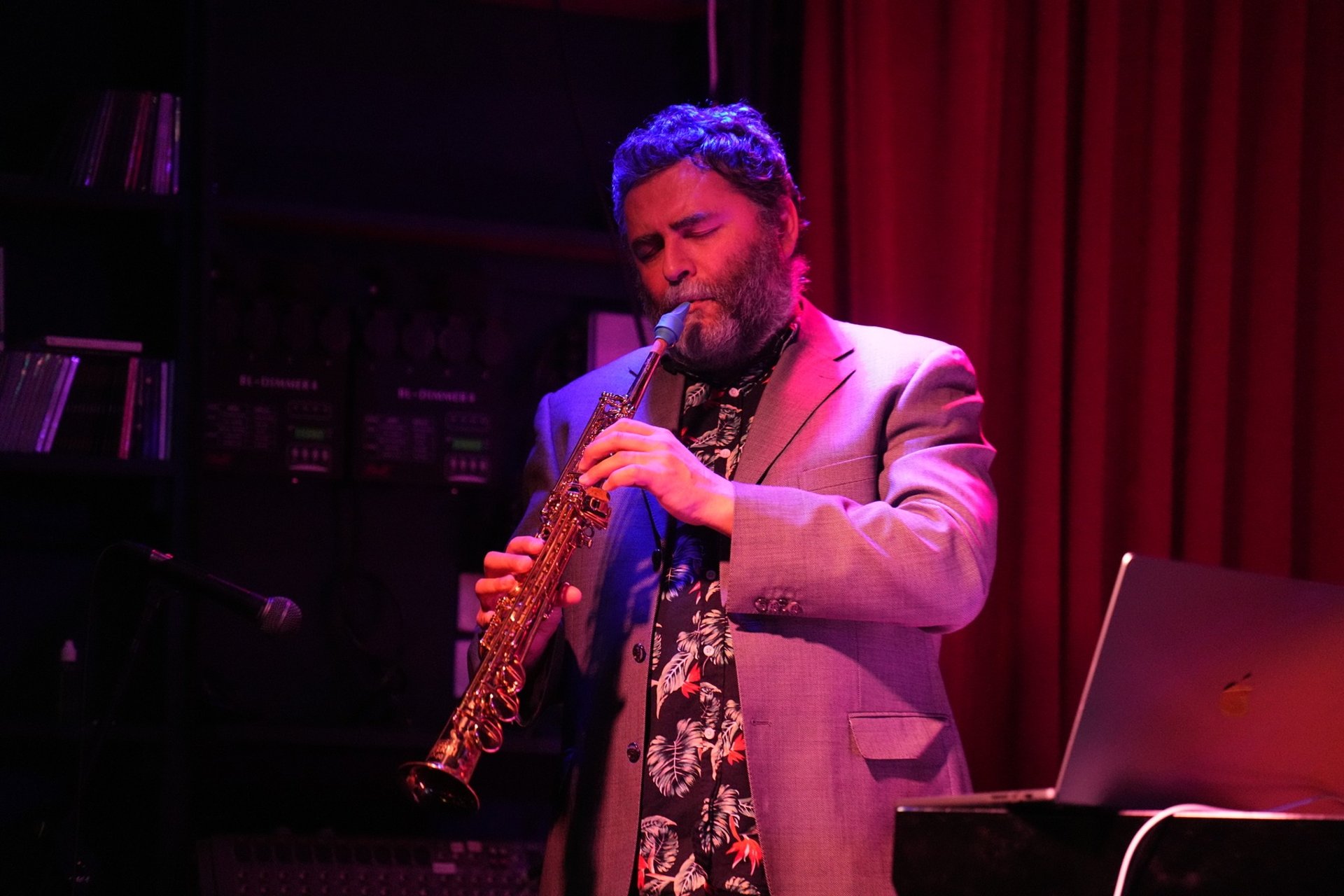
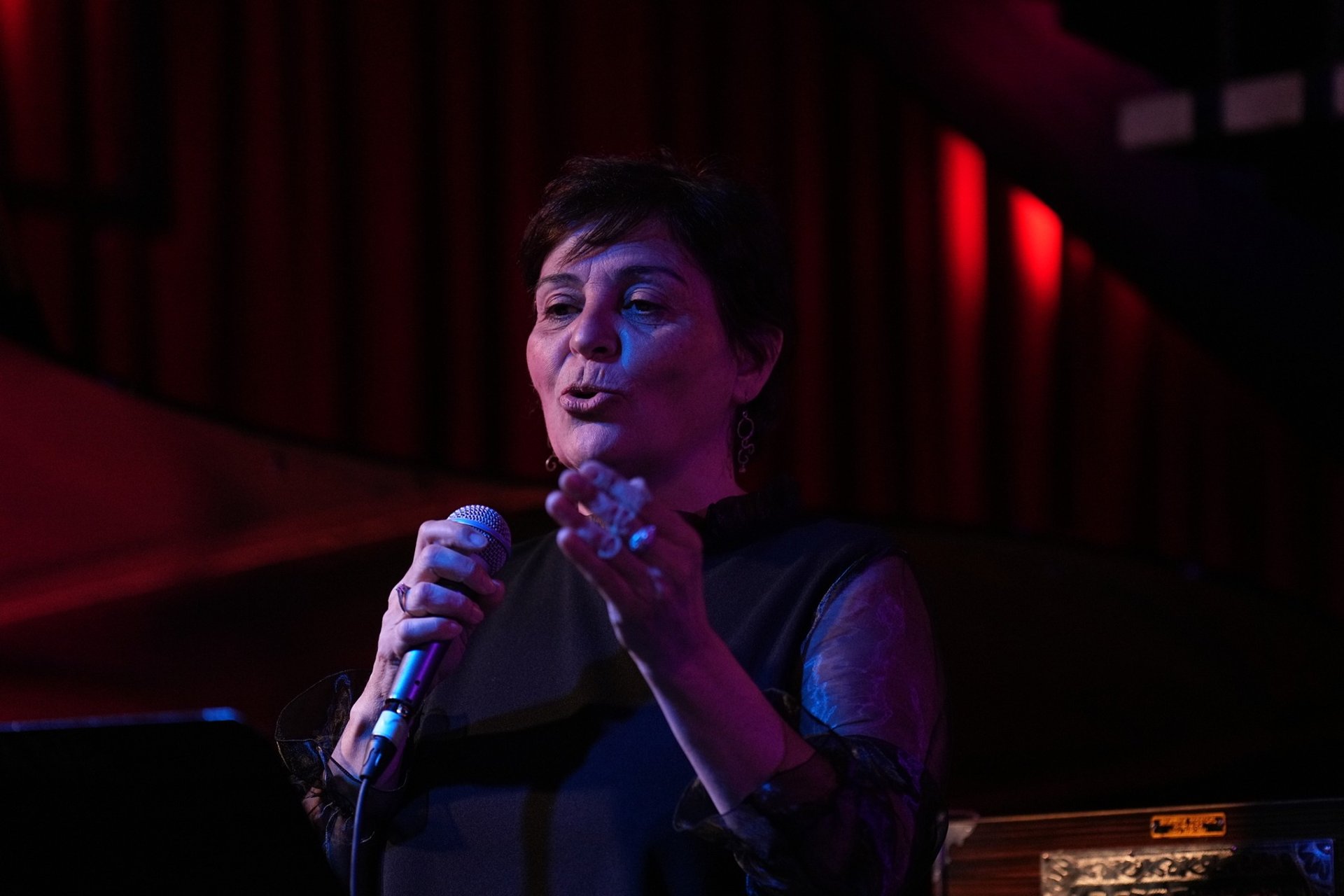
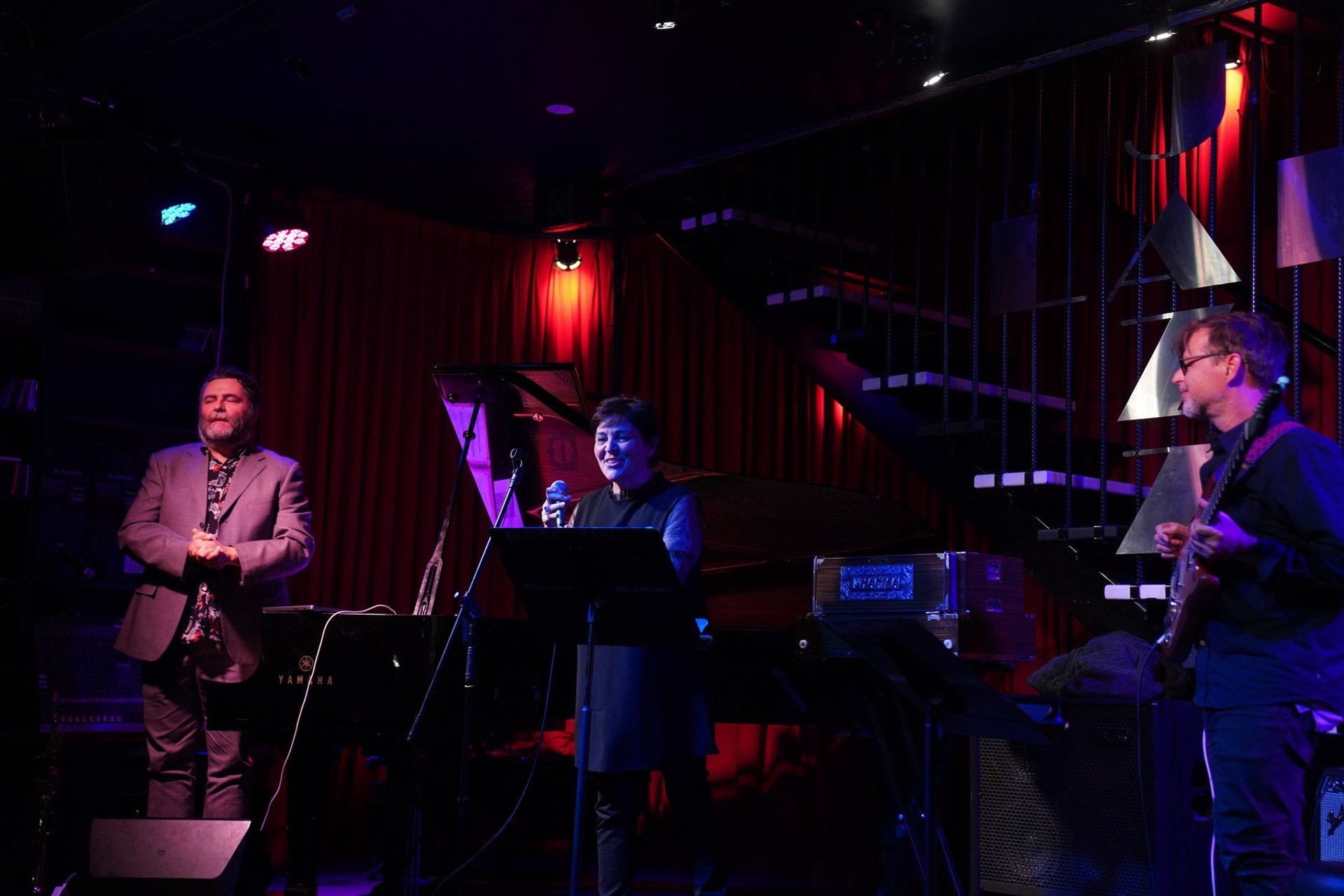
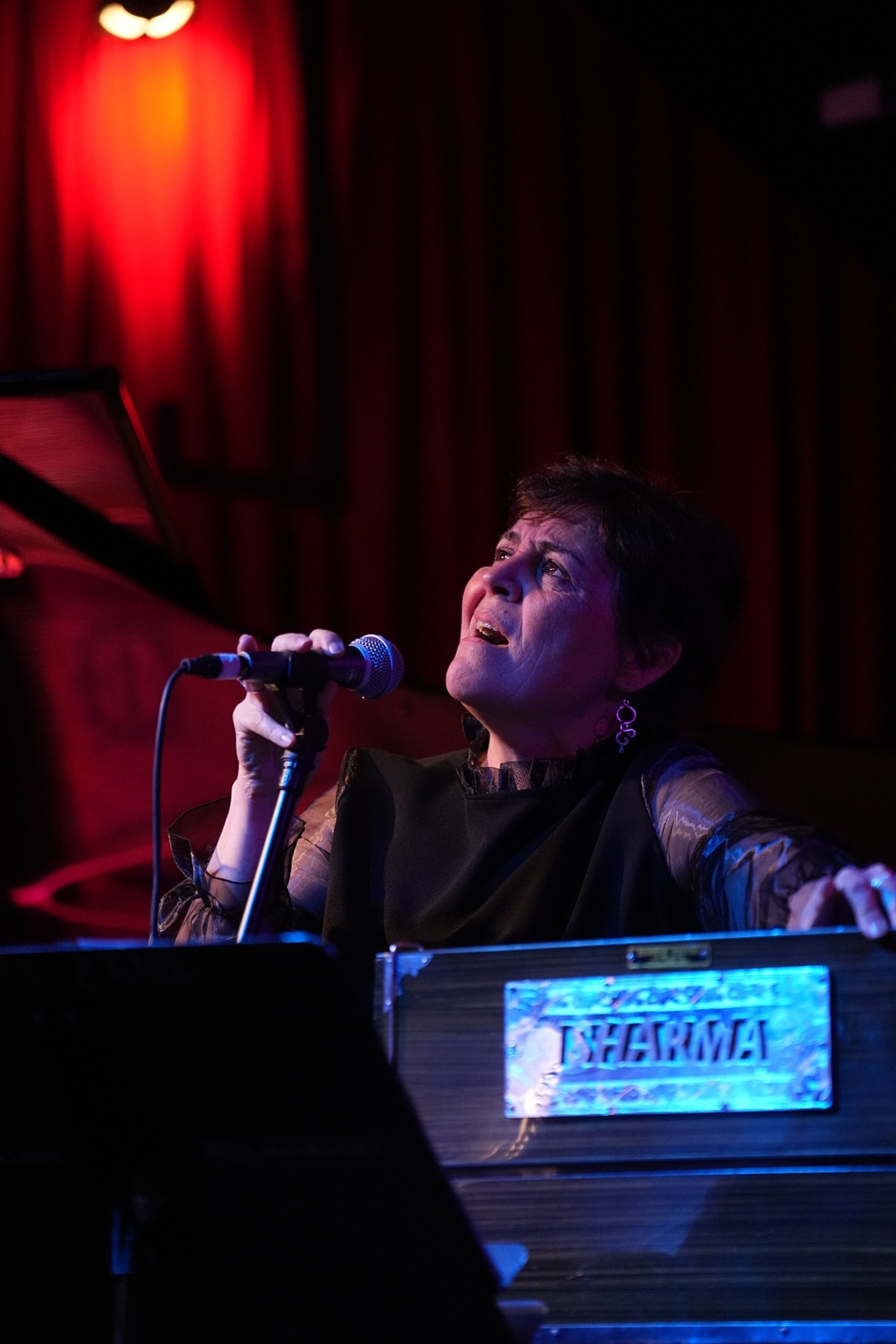

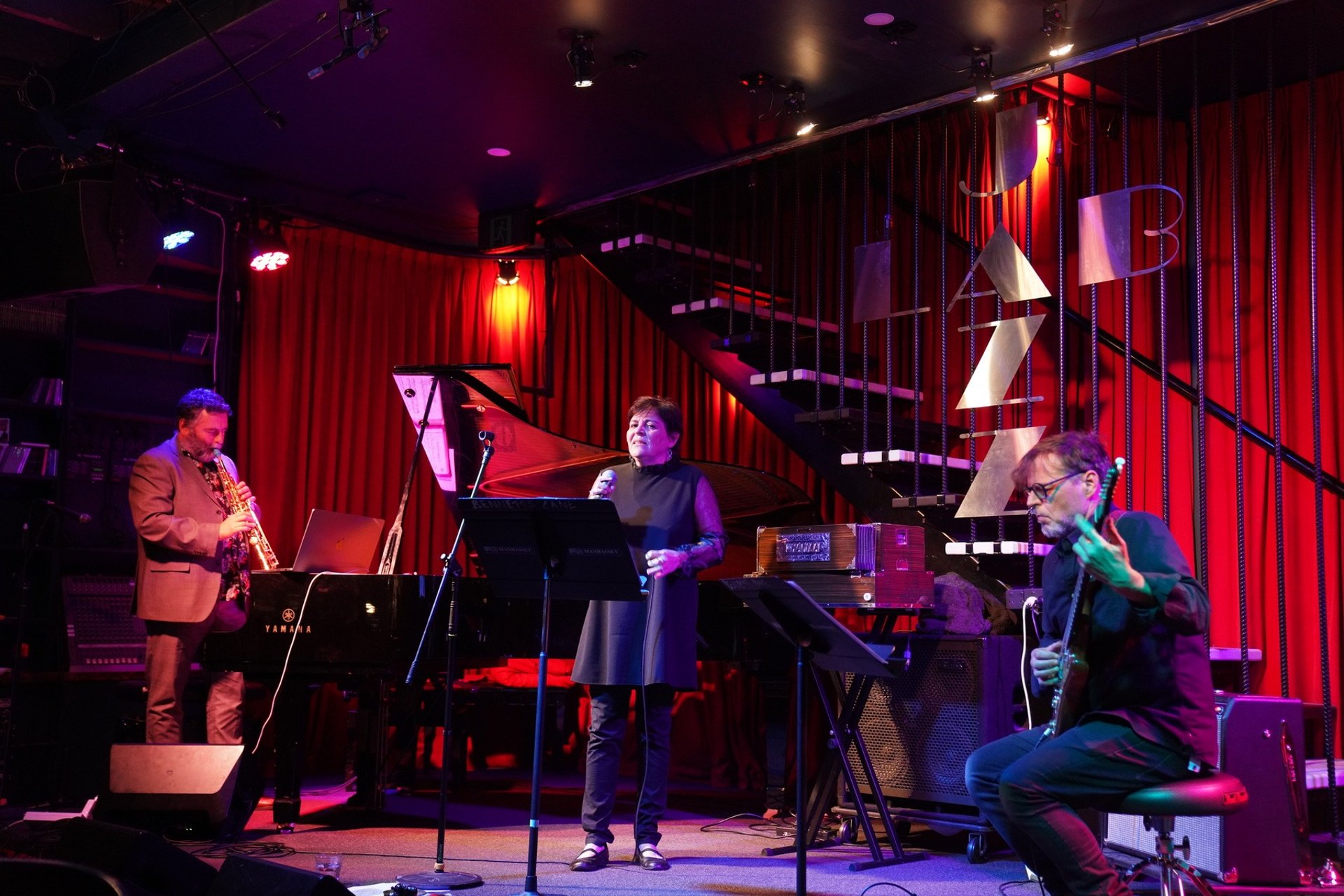
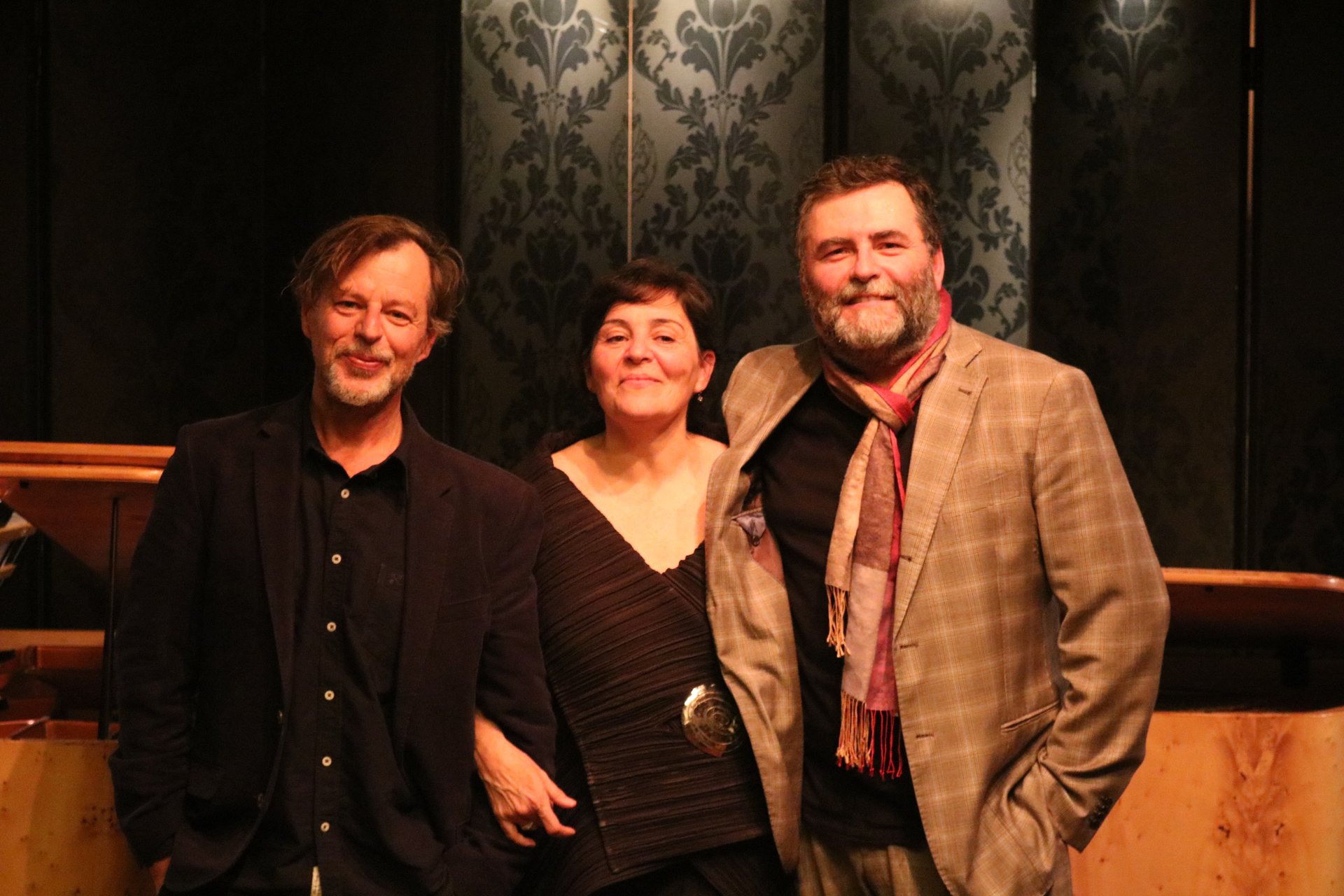
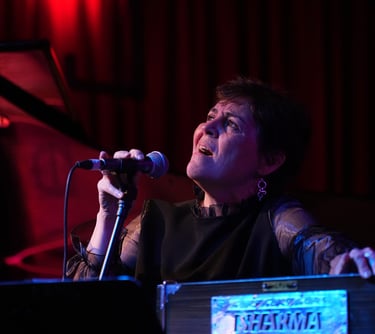
Ilaria Crociani
Voice, Harmonium, Dulcimer
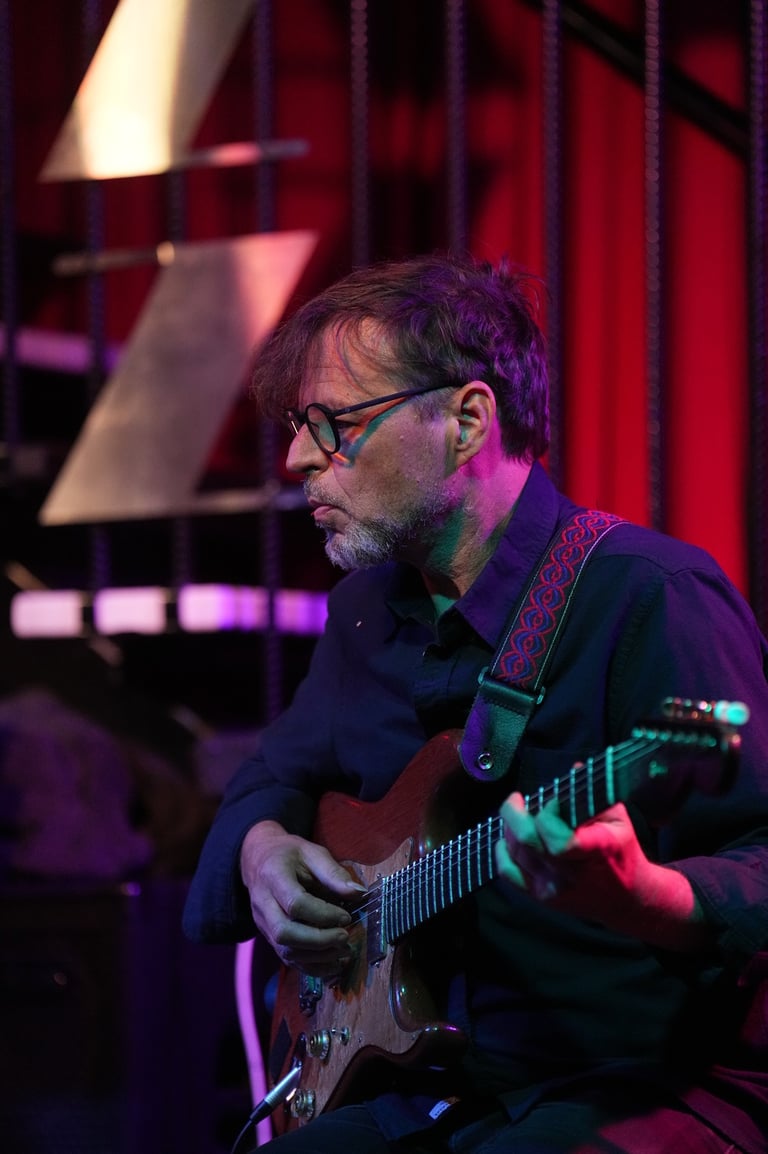
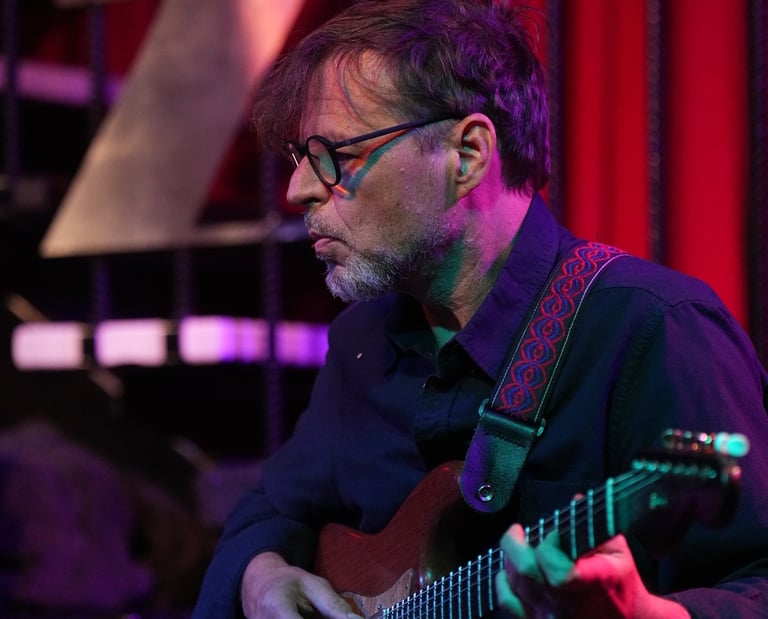

Steve Magnusson
Guitars and Sound Art
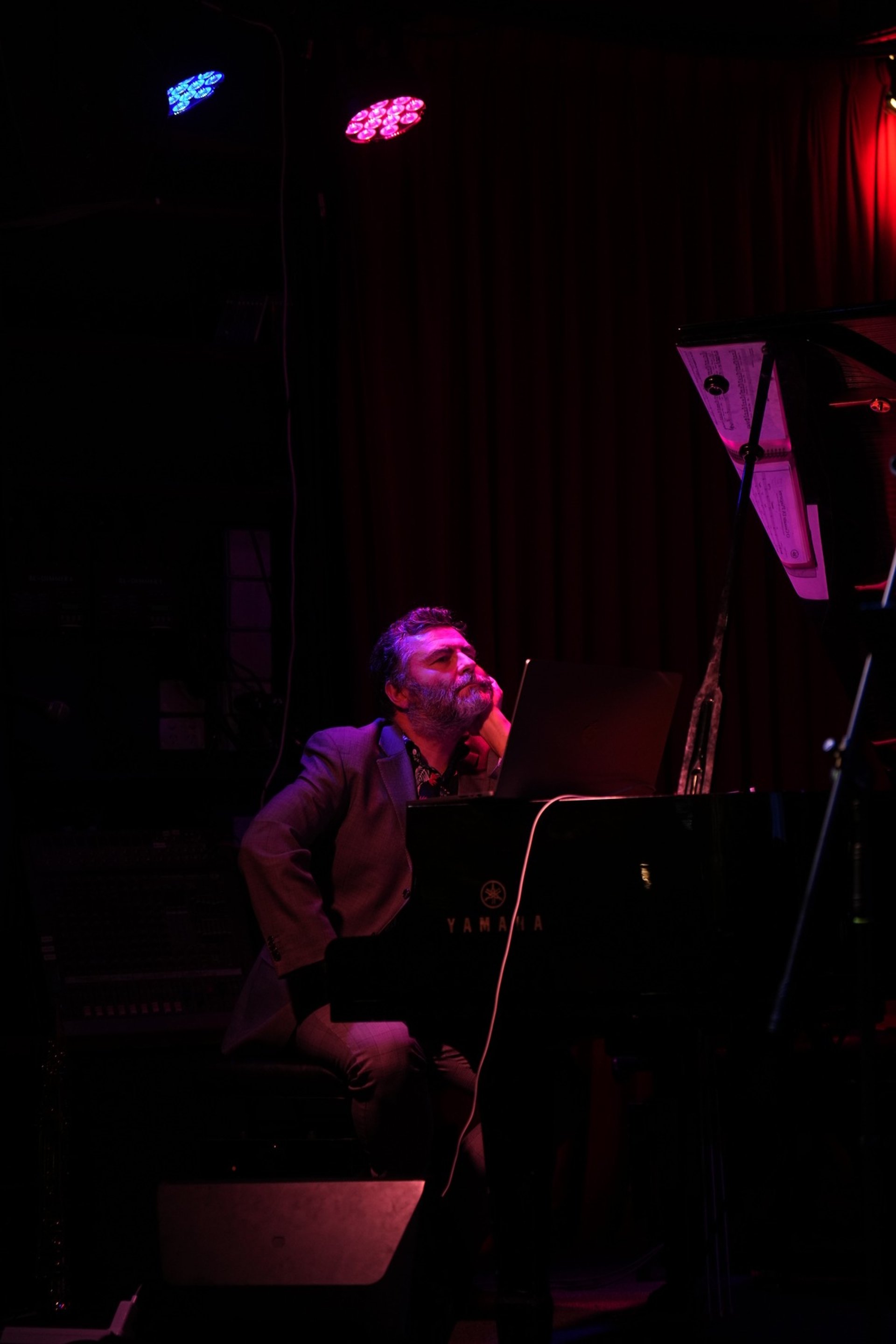
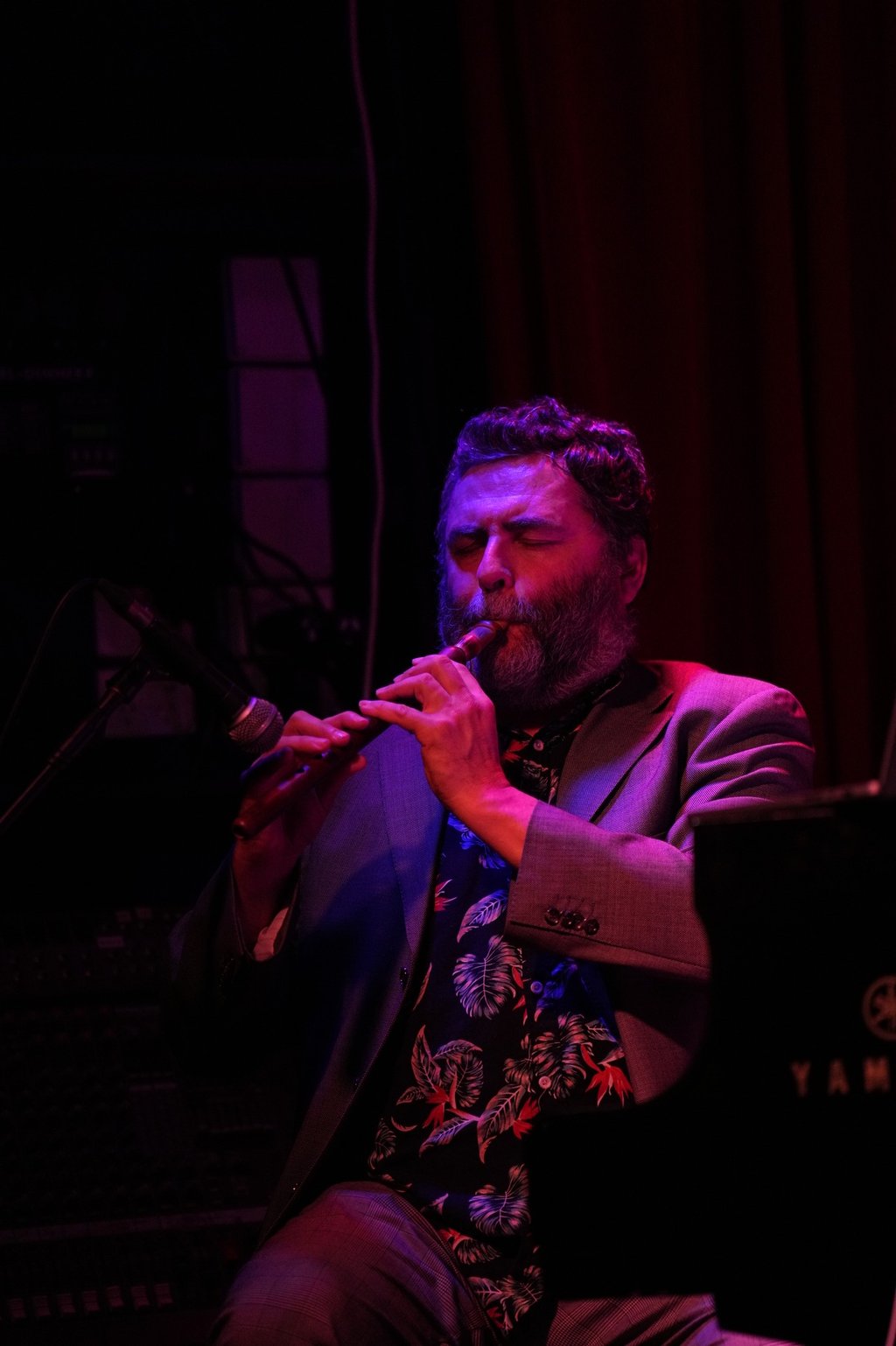
Mirko Guerrini
Piano, Duduk, Chinese Flute, Chalomeaux, Sound Art
Meet the artists
Get in touch
cirkoguerrini@gmail.com